







Search Results for: Cacao Chocolate
Coffee Basics | What's the Difference Between Cacao Beans and Coffee Beans? Where Does the Cacao Flavor in Coffee Beans Come From? Recommended Dark Roast Coffee Beans with a Dark Chocolate Cacao Flavor
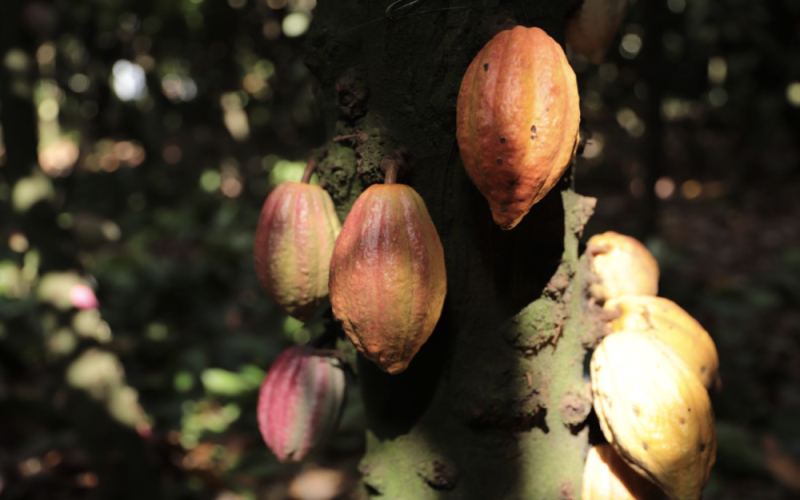
Cocoa and coffee are two different plants, and they taste different as well. Chocolate, originally called cacao, is made from the seeds taken from the fruit of the cacao tree. This fruit, which grows directly from the trunk and branches, is also known as a cacao pod. Ripe cacao fruit, that is, the cacao pod, ranges in color from [more…]
How Are Cacao Beans Different from Coffee Beans? A Guide to Cacao-Flavored Coffee Bean Recommendations
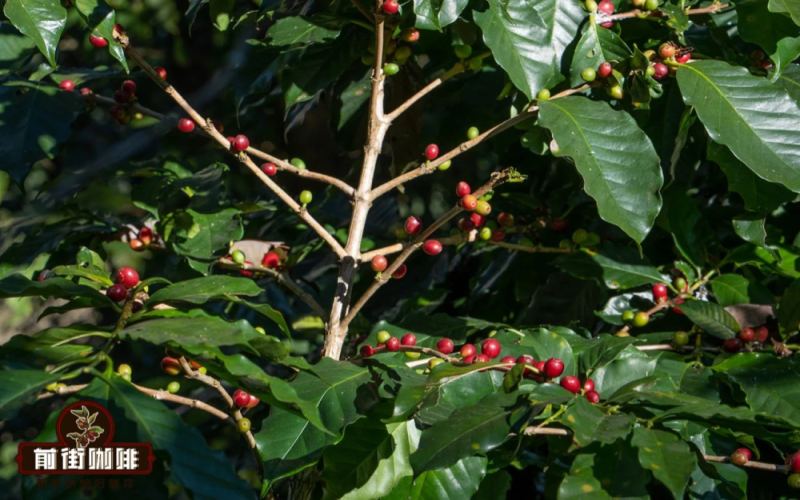
Cocoa and coffee come from two completely different plants: cocoa beans are obtained from the fruit of the cacao tree, while coffee beans are the seeds of the fruit of the coffee tree. The two differ significantly in plant family and genus, growing environment, processing methods, and flavor characteristics. Because coffee beans contain abundant volatile aromatic compounds, after roasting they can present a variety of alluring flavors, including cocoa and chocolate. This article will analyze in detail the differences between cocoa beans and coffee beans, and recommend three high-quality coffee beans with rich cocoa flavors, including Front Street Queen's Estate, Front Street Bird of Paradise, and Front Street Colombia Huila, to help coffee lovers find their ideal cocoa-flavored coffee. [more…]
Exploring Bolivia's Valiki Estate Java Coffee Beans: Flavor Stories from a Niche Origin and the Cacao Natural Process
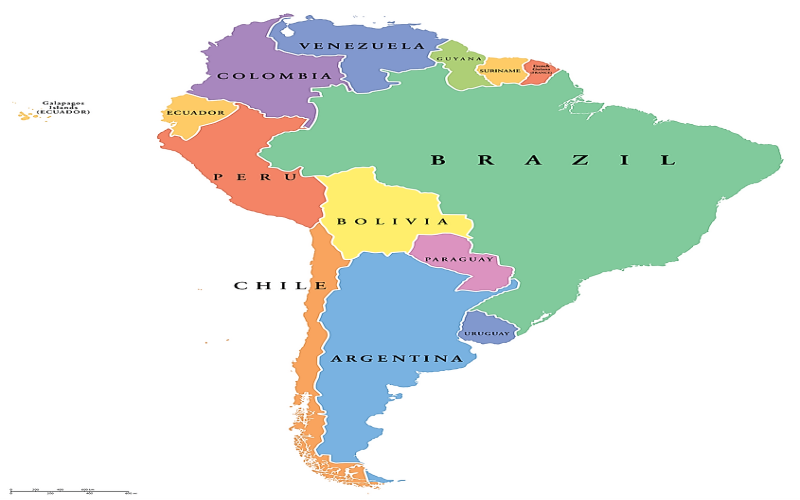
In the landscape of South American specialty coffee, Bolivia, though a niche-producing country, holds potential that cannot be overlooked. Front Street Coffee ventures deep into the La Paz region to bring you Java coffee beans from the Waliki Estate. This article will guide you through Bolivia's winding coffee history, the terroir of the Yungas Province, and the legendary journey of the Java variety from Ethiopia to Latin America. The estate employs a unique cacao sun-dried processing method, shaping a flavor interwoven with grape, nut, and honey notes through low-temperature slow drying. Front Street Coffee also shares roasting and brewing parameters to help you fully appreciate the charm of these beans. [more…]
How Does Bolivian Coffee Taste? Analyzing the Yungas Region's Java Variety and Cocoa Natural Processing Characteristics
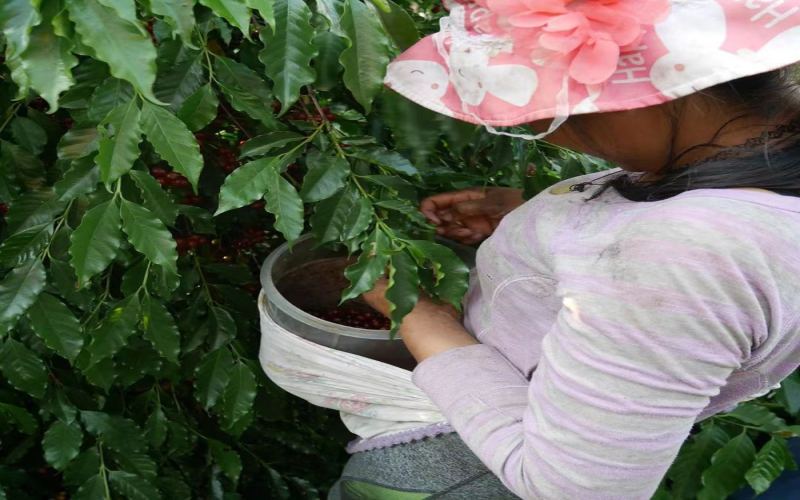
Bolivian coffee has always been a relatively obscure presence in the specialty coffee circle. High-altitude cultivation, rugged mountain road transport, and limited production make it difficult for it to enter the market on a large scale. But it is precisely this environment that creates the unique flavor expression of Bolivian coffee. The Yungas region, as the country's core coffee belt, has cultivation altitudes ranging from 1,500 to 2,500 meters, along with microclimates and fertile soil. This article will take you through the regional characteristics of Bolivian coffee, the origins of the Java variety, and the innovative cacao natural processing method of the Waliki Estate, while also sharing Front Street Coffee's roasting and brewing suggestions. [more…]
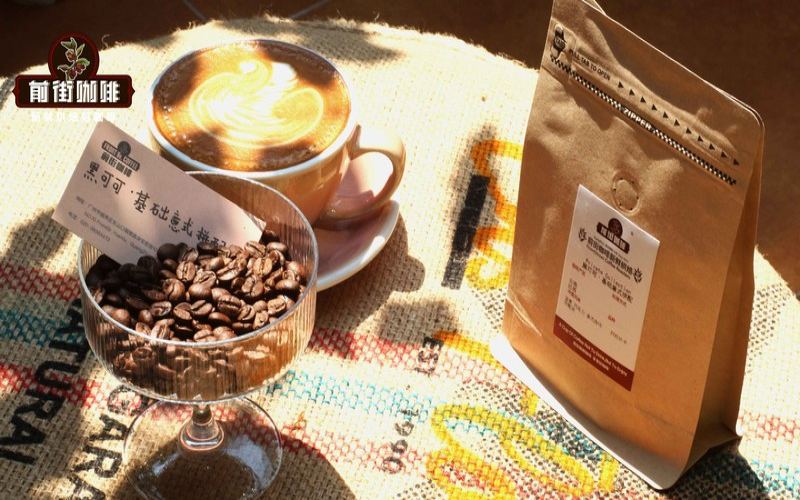
Is SOE good for lattes? Choose the right beans by roast level
Using SOE to make a latte can certainly be delicious—the key lies in whether the bean's roast level can hold up to the milk. SOE refers to espresso from a single origin or single batch, and its flavor often has more character than common blends. When made into a milk coffee, it may show different directions such as fruity, floral, nutty, or cocoa notes, and cannot be judged only by [more…]
Flavor Analysis of Bolivian Coffee Origins: Java Variety from Waliki Estate and Cacao Natural Processing
Although Bolivia is a relatively economically underdeveloped country in South America, it possesses high-altitude microclimates and unique varietal resources, giving it potential for specialty coffee exports. The Java coffee beans from Finca Valiki, listed by Front Street Coffee, come from small estates in the Caranavi production region at elevations above 1,660 meters, and present a bright citrus-hawthorn acidity with fruit chocolate and vanilla cream finish through cocoa natural processing. This article will outline the flavor causes, varietal characteristics, processing methods, and industry status of Bolivian coffee, along with Front Street V60 brewing recommendations and flavor notes, for the reference of coffee enthusiasts. [more…]

Starbucks Snoopy collaboration drink decoration method sparks controversy, leaving employees caught in the middle
Starbucks teamed up with Peanuts to launch Snoopy limited-edition drinks, and the Cocoa Latte and Cocoa Frappuccino attracted many fans eager to try them as soon as they hit the market. However, the chocolate Snoopy peeking out from the whipped cream in the official promotional image is actually handed to customers in separate packaging when they pick up their order, requiring them to place the decoration themselves. This approach to serving has sparked heated discussion on social media, with some complaining that the actual product does not match the promotional image, while others believe that placing it in advance would make it more likely to sink and melt. Store employees, meanwhile, said that according to brand serving standards, the chocolate must be delivered separately and unopened. With tastes so hard to please, the decoration of a single drink has unexpectedly become a flashpoint for complaints and negative reviews. [more…]

Bolivian Coffee Bean Flavor Characteristics and Origin Story: From Death Road to the Transformation into Specialty Coffee
In the heart of South America lies Bolivia, a landlocked country surrounded by high mountains. Although its coffee-growing elevations do not match those of its neighbors, Bolivia's unique natural environment and continuous efforts toward specialty coffee are gradually bringing Bolivian coffee into the view of coffee lovers worldwide. From the once treacherous "Death Road" to today's high scores at the COE competition, from Typica and Caturra to the distinctly flavored Java variety, this land produces coffees with deep sweetness and soft acidity. In this article, Front Street Coffee will take you deep into the geography, history, and regional flavors of Bolivian coffee, as well as Front Street's roasted and cupped Valiki Estate Cacao Natural Java, exploring its alluring charm where ferment notes interweave with floral and fruity aromas. [more…]
Does milk tea also contain caffeine? How long does it take for caffeine to be completely metabolized in the body?
In the afternoon, you invite a friend to grab coffee, only to be politely turned down with "I'm afraid I won't be able to sleep tonight"—and instead, they order a milk tea. Sound familiar? But what you may not know is that milk tea also contains caffeine. Caffeine is a natural stimulant found widely in more than sixty plants, including coffee beans, tea leaves, kola nuts, and cacao beans, and it also appears in synthetic form in medications, energy drinks, and even chewing gum. Caffeine content varies considerably across different beverages: a roughly 225-gram cup of coffee contains 95 to 200 milligrams, a 340-gram can of cola about 35 to 45 milligrams, a 225-gram can of energy drink about 70 to 100 milligrams, and a 225-gram cup of tea between 14 and 60 milligrams. This article walks you through how caffeine is absorbed in the body, when it peaks, and its half-life, as well as which factors determine how quickly it is fully metabolized, helping you schedule your coffee and milk tea more scientifically. [more…]
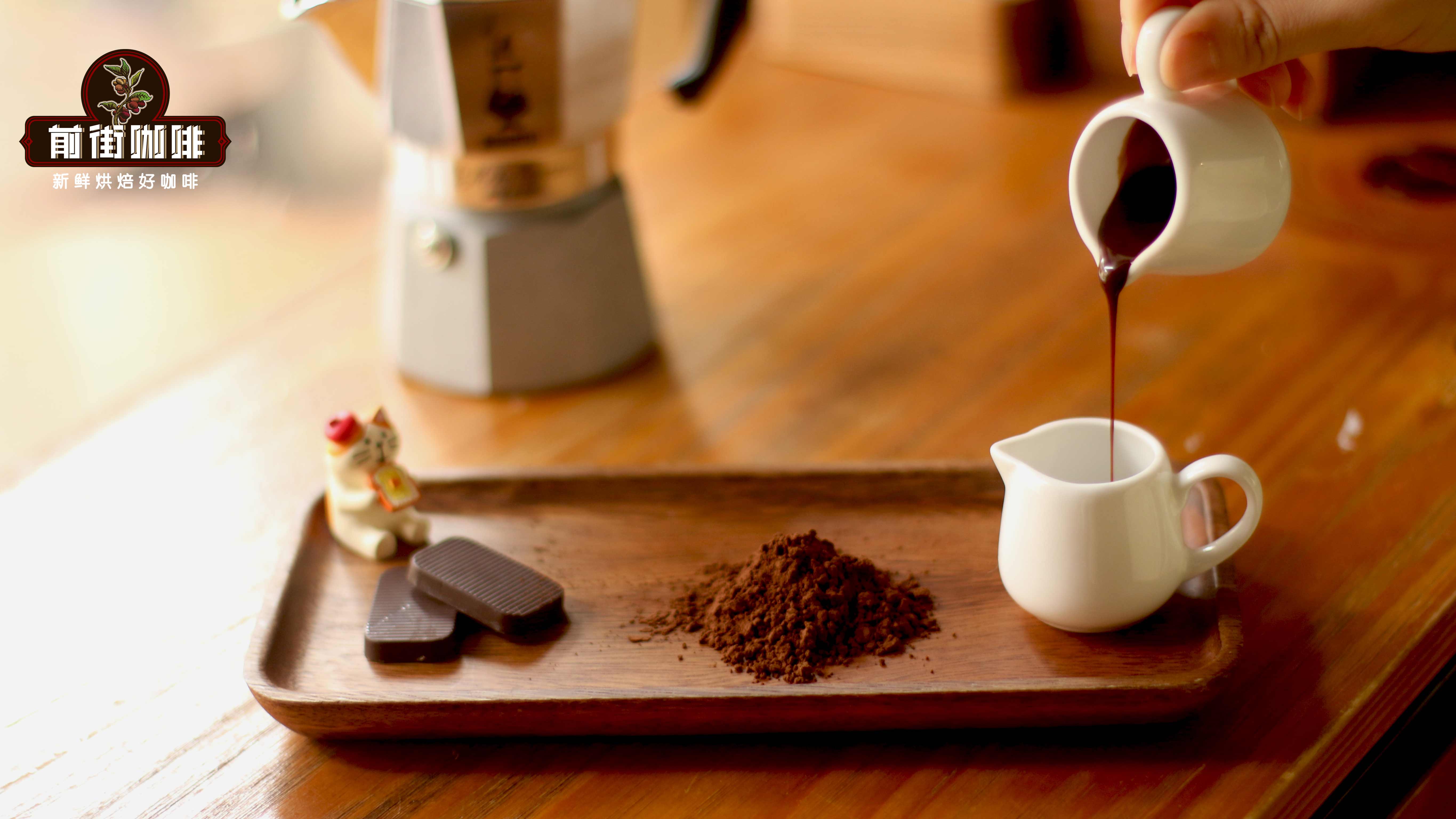
Yemeni Single-Origin Mocha and Espresso Mocha: From the Ancient Red Sea Port to the Evolution of Chocolate Coffee and Key Brewing Points
The name Mocha actually refers to two entirely different things in the world of coffee: one is a single-origin coffee bean originating from an ancient port in Yemen, and the other is the chocolate-milk-espresso drink commonly found in cafés today. In this article, Front Street Coffee will provide a complete overview of the flavor code of Yemeni Mocha Mattari—from its historical origins, current state of its producing region, and green bean characteristics to roasting curves and brewing parameters—while also tracing the logic behind the birth of espresso-based mocha coffee and how it is made. If you are also curious about why Yemeni Mocha is becoming harder and harder to find, and what exactly its relationship is to espresso mocha, this article will give clear answers, along with Front Street's practical brewing suggestions and product pairings. [more…]
How Is Yemeni Mocha Different from Espresso Mocha? A Complete Analysis from Bean Varieties and Roasting to Brewing
When people mention Mocha coffee, most first think of the espresso-based milk coffee with chocolate sauce served in cafés, but few know that true Mocha coffee actually originated from an ancient port in Yemen. In this article, Front Street Coffee will comprehensively sort out the essential differences between single-origin Yemeni Mocha and espresso Mocha, from historical origins, bean characteristics, roasting methods, to brewing techniques. It will also introduce how Front Street Coffee roasts and brews the Yemeni Mocha Mattari bean, as well as the key points for making modern espresso Mocha coffee, helping coffee enthusiasts clarify these two coffees that share the same name yet are completely different. [more…]
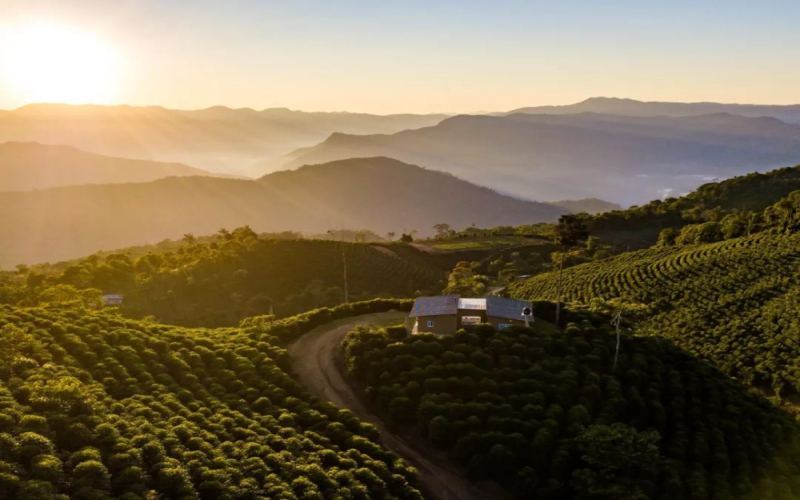
Flavor Characteristics and Stories of Bolivian Coffee Regions: Exploring the Cocoa Natural Process of Yungas Java Beans
On the coffee map of South America, Bolivia is a rather low-key presence—bordered to the north by two major players, Brazil and Peru, and with modest production of its own, yet blessed with exceptional natural conditions that make it a land of potential for specialty coffee. From the high-altitude valleys of La Paz to the steep growing regions of the Yungas, what twists and turns has Bolivian coffee's history taken? And what distinctive flavor expressions does the Waliki Estate Cacao Natural Java that Front Street Coffee brings this time have to offer? This article will take you through the past and present of Bolivian coffee, from the terroir of its growing regions, the origins of its varieties, to processing methods and brewing suggestions, offering a complete interpretation of the coffee story of this highland nation. [more…]
Varietal Characteristics and Cultivation History of Bolivian Coffee: The Rise of Specialty Coffee Through Front Street Java Beans
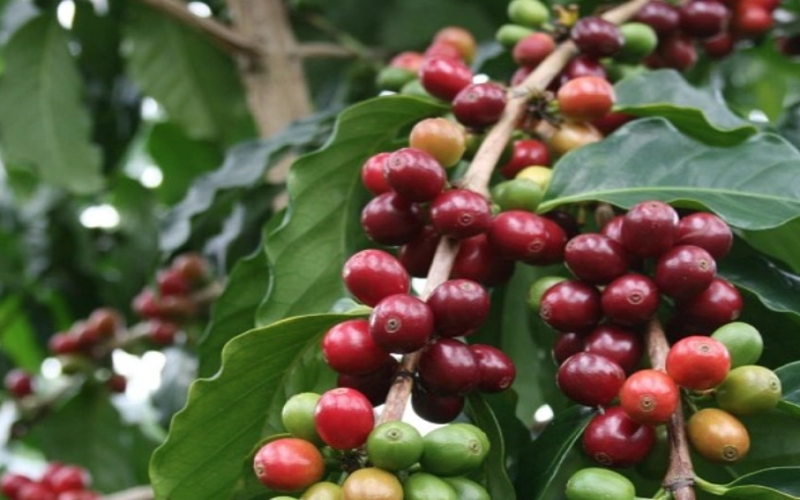
Although Bolivia is adjacent to Brazil and Colombia, it has long been regarded as a minor coffee country, with scarce production but outstanding flavor. The Bolivian Java beans introduced by Front Street Coffee are impressive for their complex profile of grape, nut, floral, and honey notes. This article will systematically review the full picture of Bolivian coffee, from growing conditions, historical changes, and regional characteristics to varieties and processing methods, and will focus on the origin background and processing details of Front Street's Cacao Natural Java beans, taking you deeper into how this highland nation, relying on its unique microclimate and the strength of family enterprises, has regained attention on the specialty coffee map. [more…]
How to Choose Chocolate-Flavored Coffee Beans: Pick the Right Roast Level for Your Taste
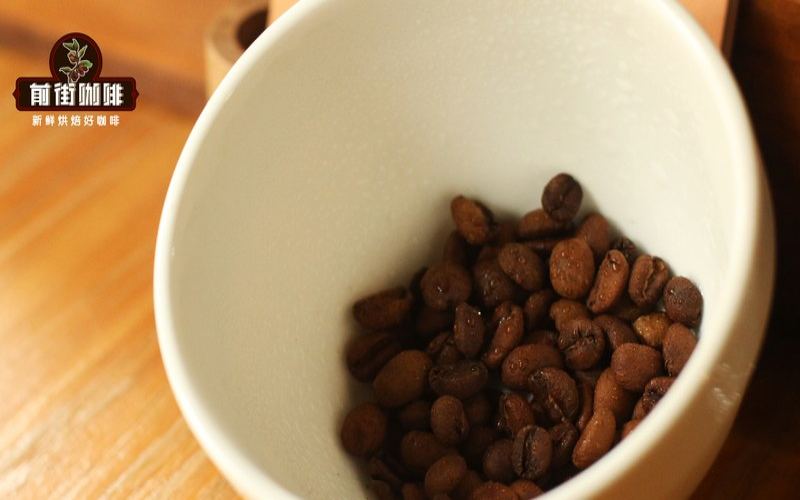
To taste chocolate flavors, first look at the roast level of the coffee beans. Light roasts tend to preserve bright acidity and floral-fruity aromas, with chocolate notes usually hidden in the sweetness and aftertaste; medium roasts bring cocoa, caramel, and nuts into the cup; dark roasts make dark chocolate, roast, and a rich mouthfeel more prominent. Different directions call for different brewing methods, [more…]

Beginner's Guide to Everyday Coffee Beans | Which Regional Coffee Beans Are Neither Sour Nor Bitter for Pour-Over and Espresso? Affordable and Delicious Single-Origin Coffee Bean Recommendations
Coffee is one of the world's three major beverages. It has a richer aroma than cocoa and is more refreshing than tea, which is why many people have made a habit of drinking coffee. But nowadays there are so many kinds of coffee on the market, and the taste of freshly ground coffee varies so much. Given all these variations in taste, how exactly should you choose freshly ground coffee? How can you buy something that is both delicious and [more…]
Which espresso coffee beans have prominent nutty and creamy flavors? A buying guide to four Front Street Coffee blends
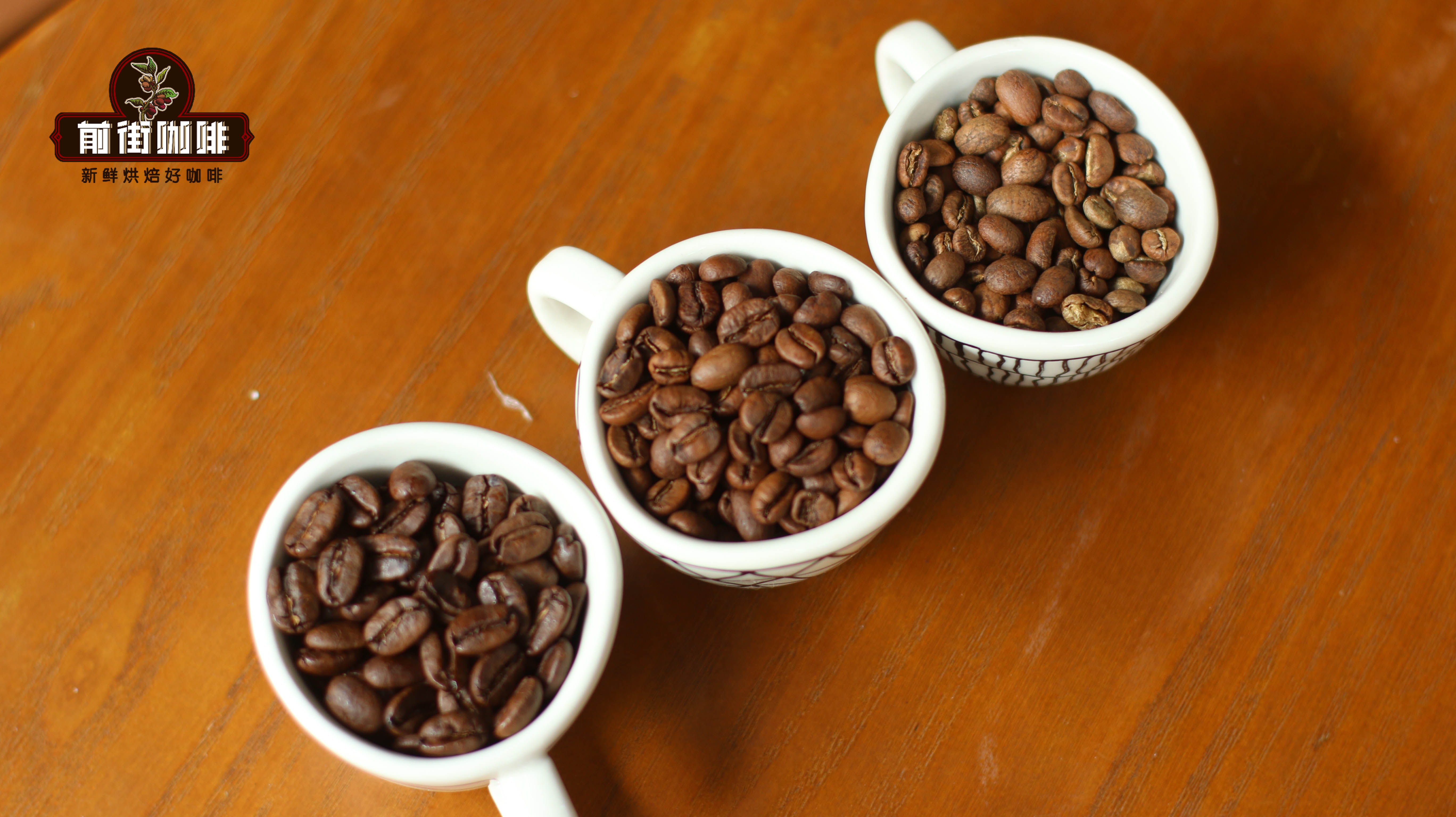
As an agricultural product, coffee from the same origin can vary in flavor from one harvest season to another, or even from batch to batch, making it difficult for single-origin coffee to guarantee a consistent taste over the long term. Espresso, meanwhile, is extracted under conditions of high temperature, high pressure, and an extremely fine grind, and one of the core purposes of blending beans is precisely to create a product that can be supplied consistently over the long term with a uniform flavor. Among the many espresso blends, cocoa and chocolate notes are the most widely favored. This article centers on the theme of nutty, creamy flavors: it first explains the necessity of blended beans, then introduces the role of Brazilian beans in espresso recipes, and finally analyzes one by one the flavor characteristics, suitable scenarios, and value-for-money performance of four products—Front Street Coffee's Classic Espresso Blend, Front Street Coffee's Commercial Blend, Front Street Coffee's Specialty Blend, and Front Street Coffee's Dark Cocoa Blend—to help coffee lovers make a choice based on their own needs. [more…]
The acidity in SOE Americano is hidden in the roasting curve.
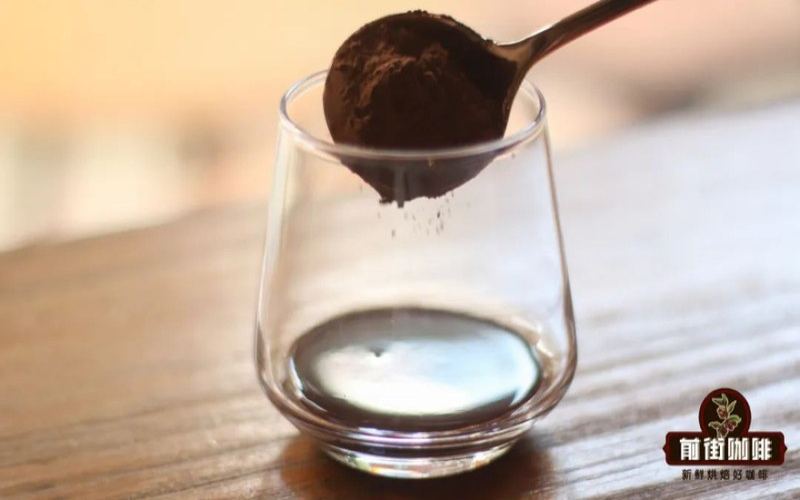
SOE americano is not a fixed flavor—whether it tastes "sour" depends first on how dark the coffee beans are roasted. Light roasts preserve more of the origin's natural fruit acidity and floral notes, medium roasts pull sweetness, body, and acidity into a more balanced position, and dark roasts move toward cacao, nuts, and caramel. If you want something smooth and easy to drink, start with the roast level. [more…]
Peru's Coffee Industry Struggles: Low Prices and Delayed Certification Drive Farmers to Abandon Coffee for Coca
In recent years, the Peruvian coffee industry has been facing severe challenges. Due to persistently low coffee prices and slow organic bean certification processes, more and more coffee growers are choosing to abandon their farms and instead go to work in coca plantations to earn higher incomes. According to the National Coffee Federation, since last December, farmers have been pouring into drug-trafficking areas to engage in coca cultivation, where they can earn 70 to 120 Peruvian nuevos soles per day (about 21 to 36 US dollars). This trend has not only worsened poverty and unemployment but also led to an expansion of illegal crop cultivation. Although Peru and the United States spent years promoting alternative crop programs, cocaine production has still hit a 25-year high. This article will provide an in-depth analysis of the varieties and flavors of Peruvian coffee, its growing environment, and explore the difficulties facing its industry. [more…]
A Complete Guide to the Washed Coffee Bean Process and Top Picks for Medium-Roast Washed Beans
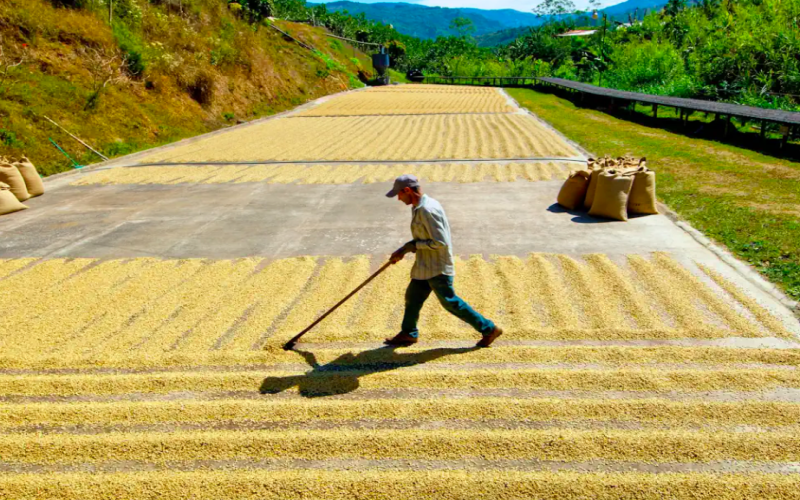
In the world of specialty coffee, washed and natural processing stand as the two mainstream methods. If you want to taste the truest flavor of coffee beans, the washed method is often the first choice. This article will take you through a complete understanding of the washed processing steps—from flotation, depulping, and fermentation to remove mucilage, to drying and hulling—and explain how this process reduces sugar content and increases organic acid levels, shaping a clean, bright coffee character with vibrant fruit acidity. At the same time, we have selected three Front Street Coffee washed medium-roast beans worth trying: the elegantly fruity Ding Ding, the sweet-and-tart Kenya Little Tomato, and the rich, sweet Colombian Huila, suitable for pour-over, cold brew, espresso, and other brewing methods, catering to different taste preferences. [more…]
A Guide to Buying Dark Roast Coffee Beans: Acid-Free Blends and Pour-Over Dark Roast Recommendations
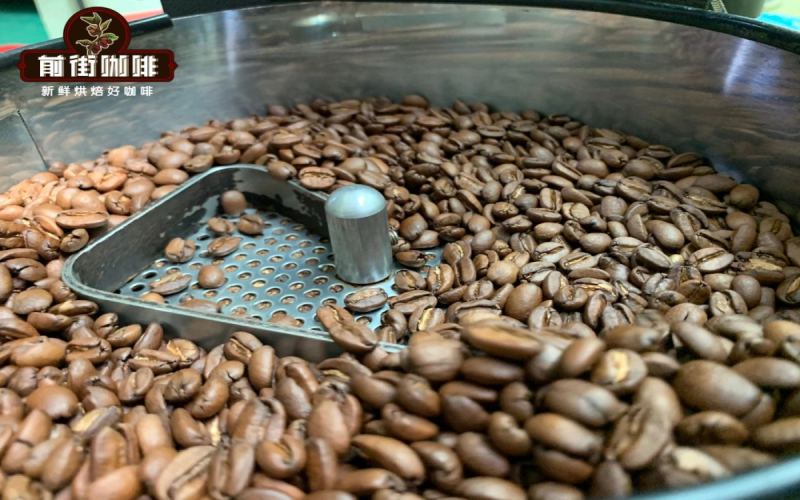
Coffee lovers who enjoy a rich, full-bodied cup without acidity often have a particular fondness for dark-roasted coffee beans. The length of the roasting time directly determines the final flavor profile of the coffee—the longer the roast, the weaker the acidity, and the more intense the bitterness and caramelized aromas become. So how should you choose among the dark-roast beans on the market? This article approaches the question from two directions—pour-over and espresso—and recommends suitable dark-roast coffee beans for each. Among them, Front Street Coffee PWN Golden Mandheling, with its rigorous quality control of three rounds of hand sorting plus one round of machine sorting, has become the unrivaled choice for dark-roast pour-over; while Front Street Coffee Black Cacao Base Blend and Front Street Coffee Classic Blend, two espresso beans, offer rich crema and roasted aromas that serve both Americano and latte needs. Whether for home use or for opening a shop, you can find your ideal choice here. [more…]